
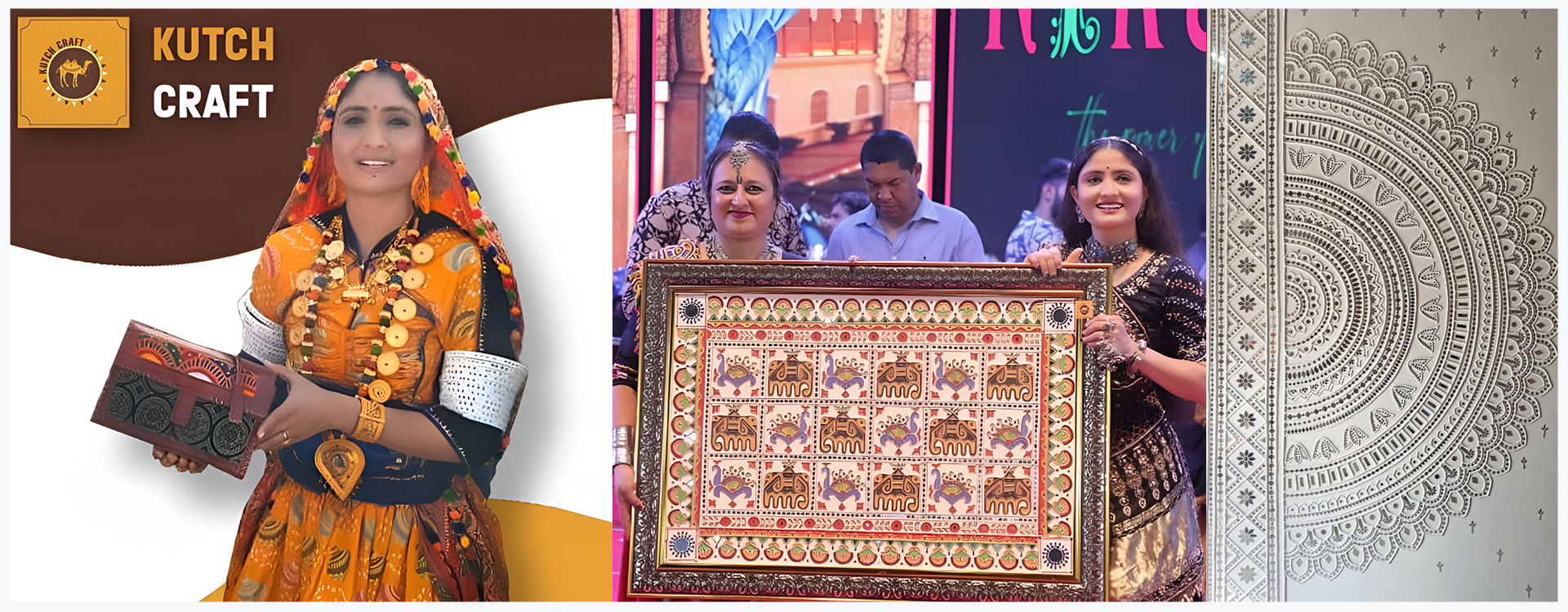
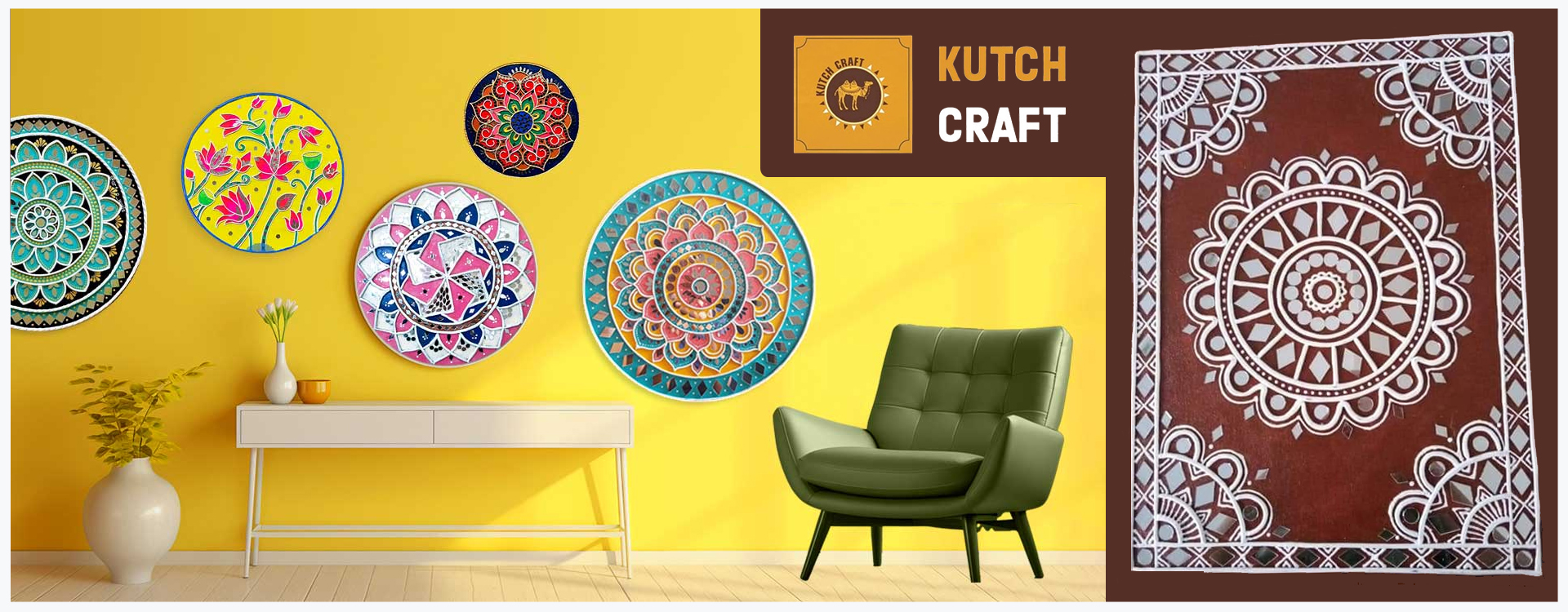
The platform for the promotion of traditional handicrafts and allied cultural practices, the processes involved in their creation, and the preservation of culture, community and local environments.
The craft of kutchi mud work is deeply ingrained in Gujarat’s history and its popularity has spread across the world over the years. Inspired by mud work & clay art, this is a tradition that goes back years amongst the Kutch craftsmen.
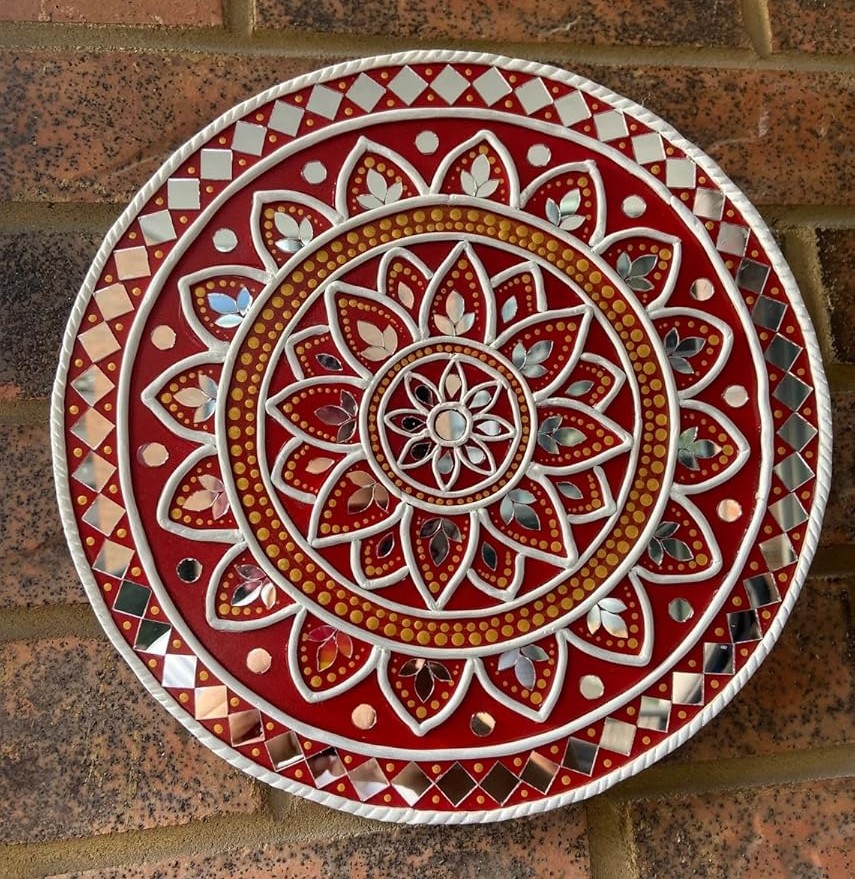
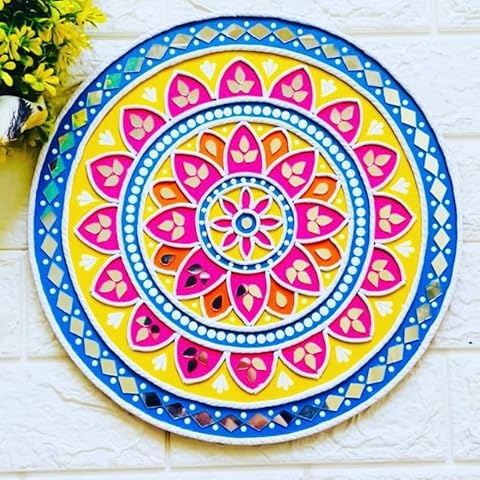
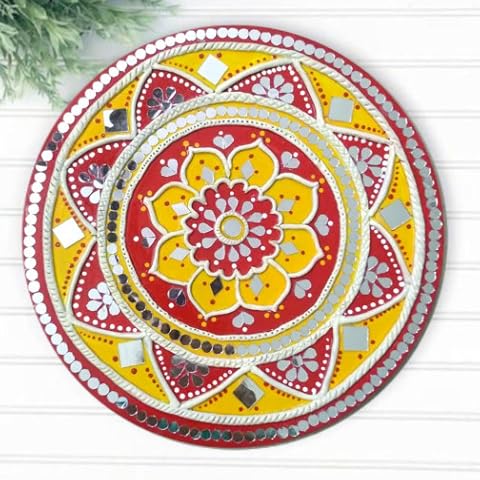
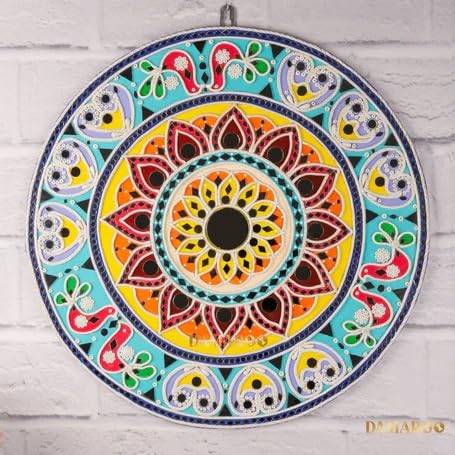
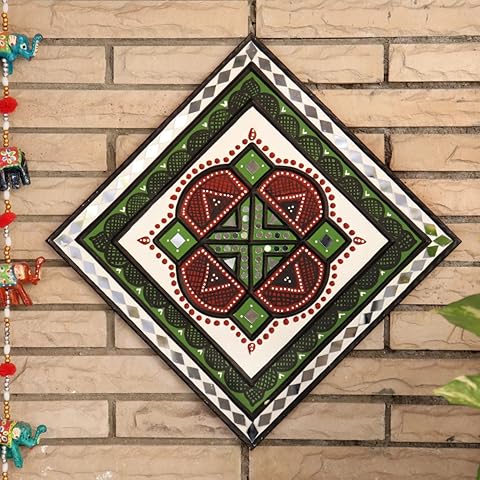
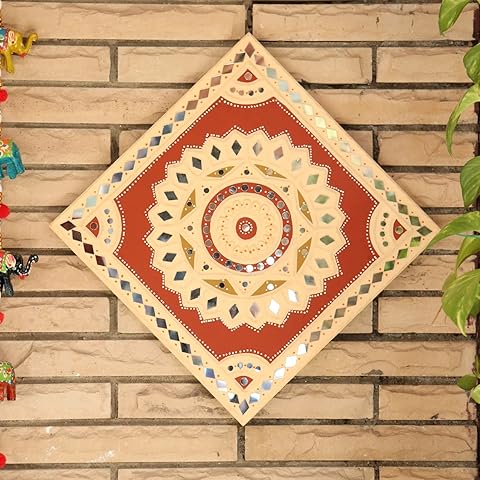
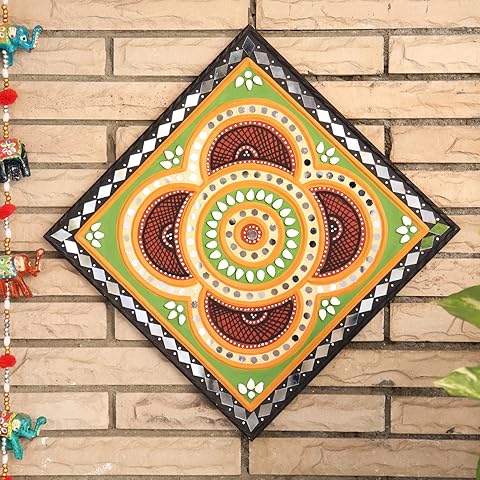
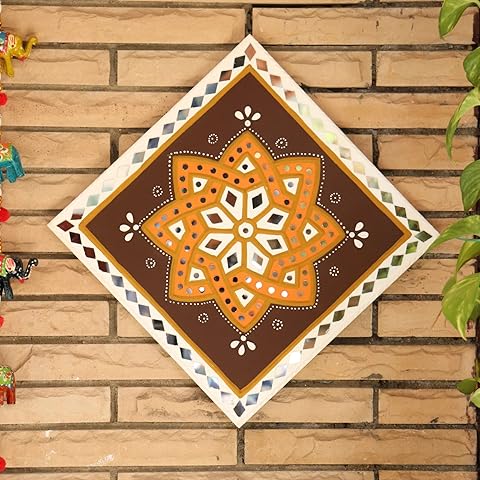
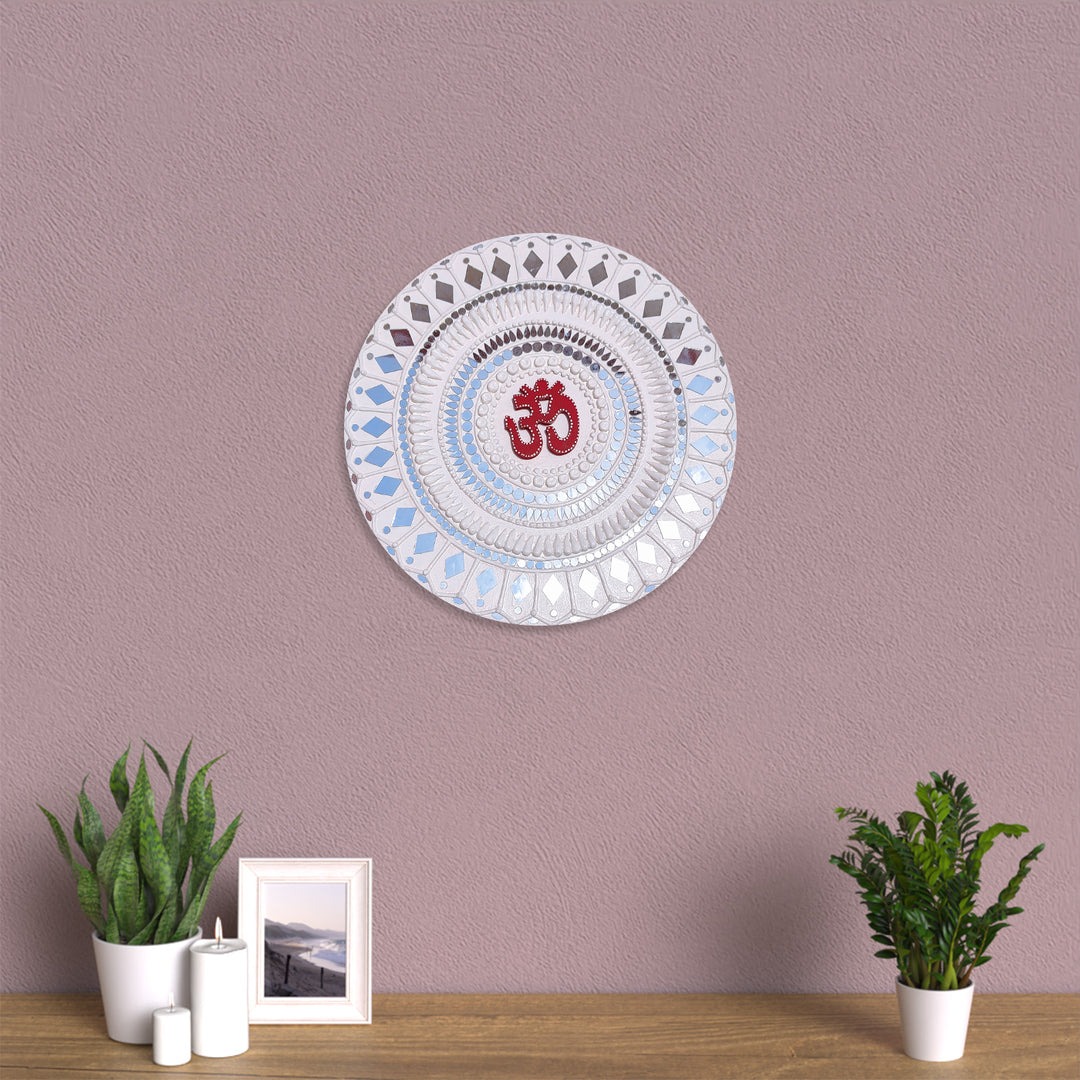
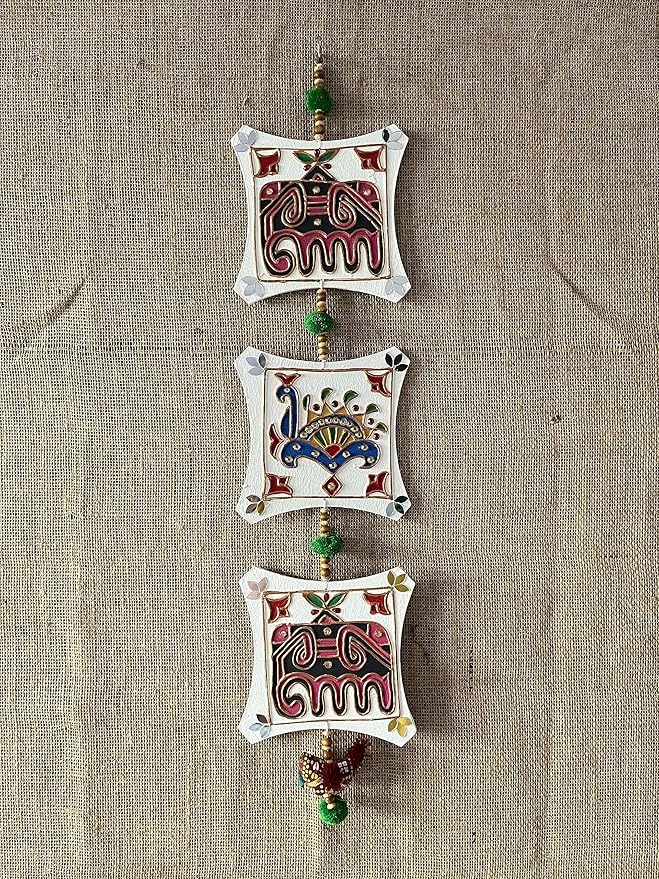
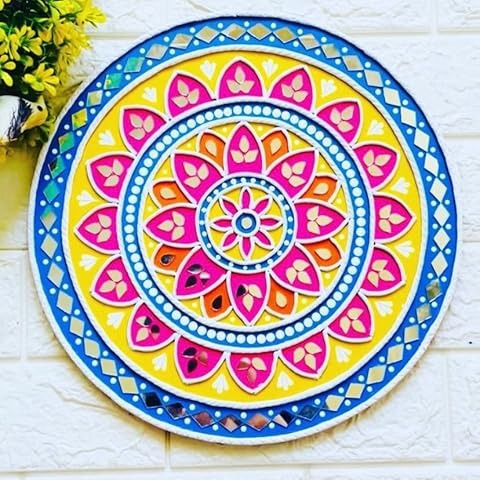
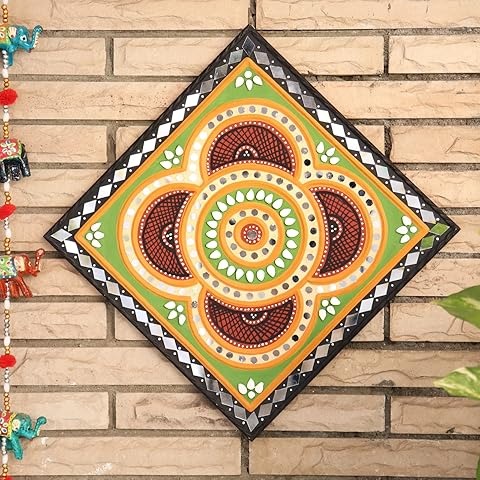

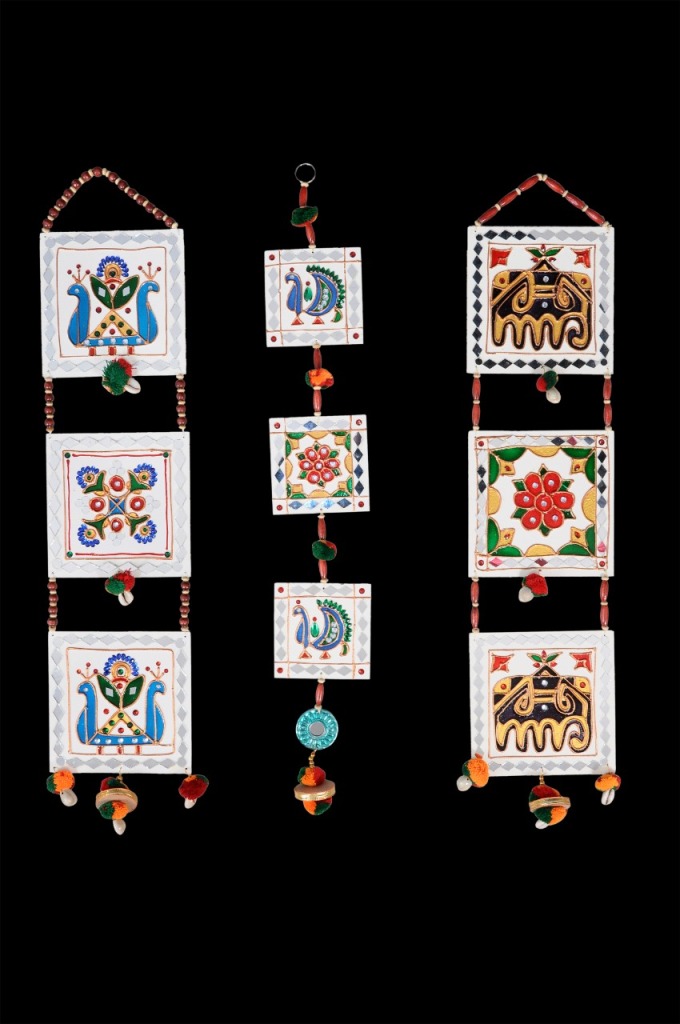
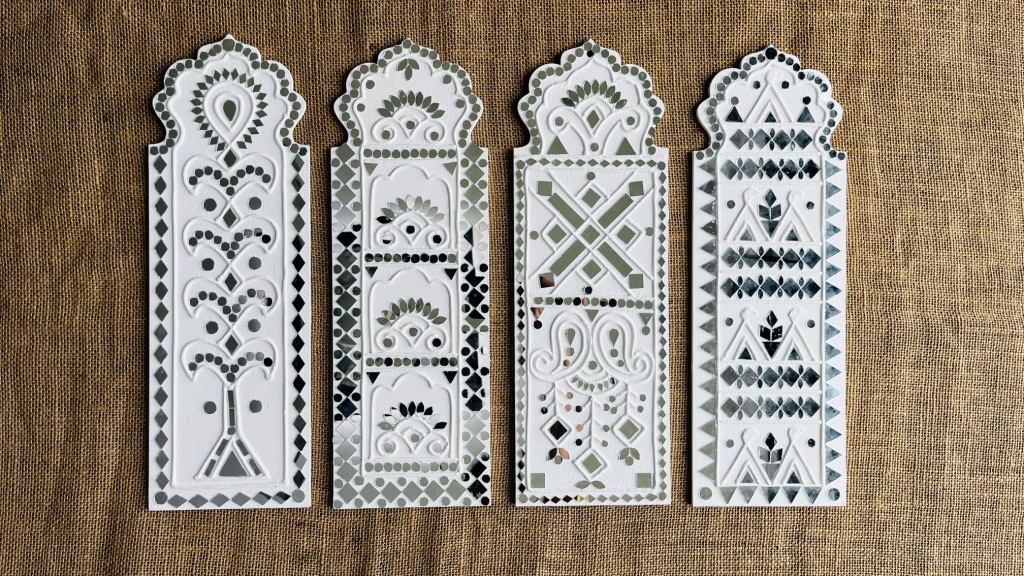
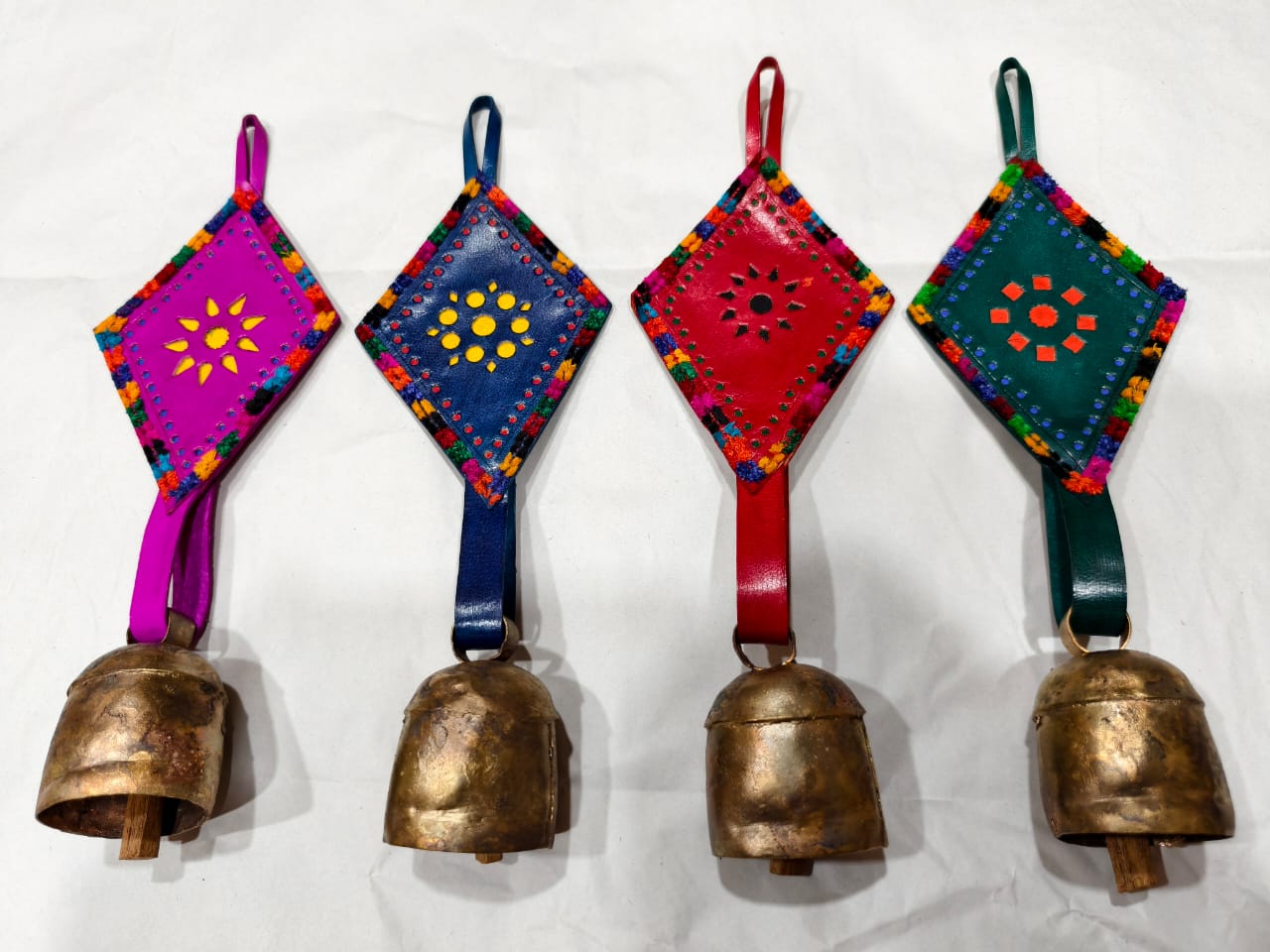
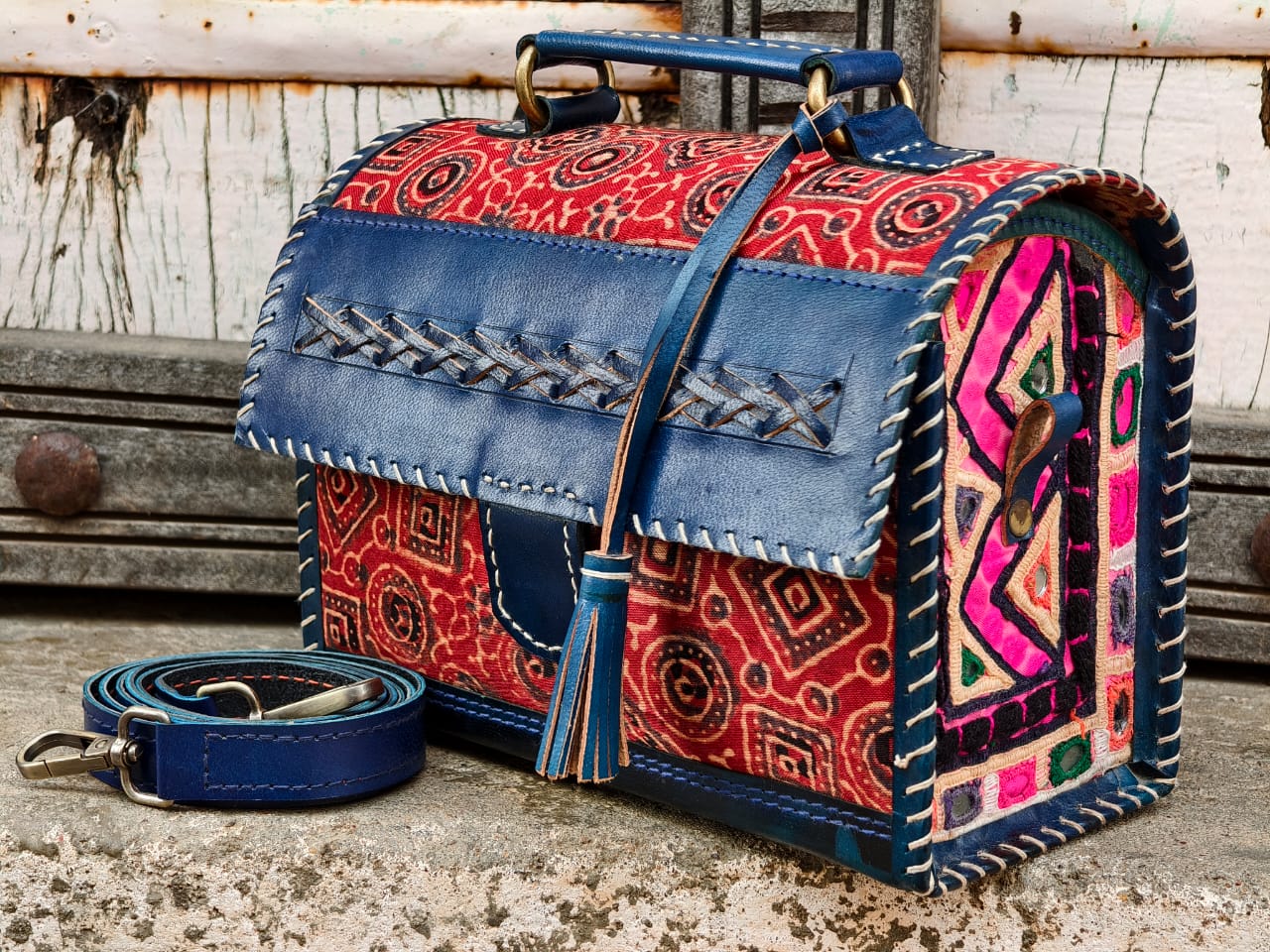
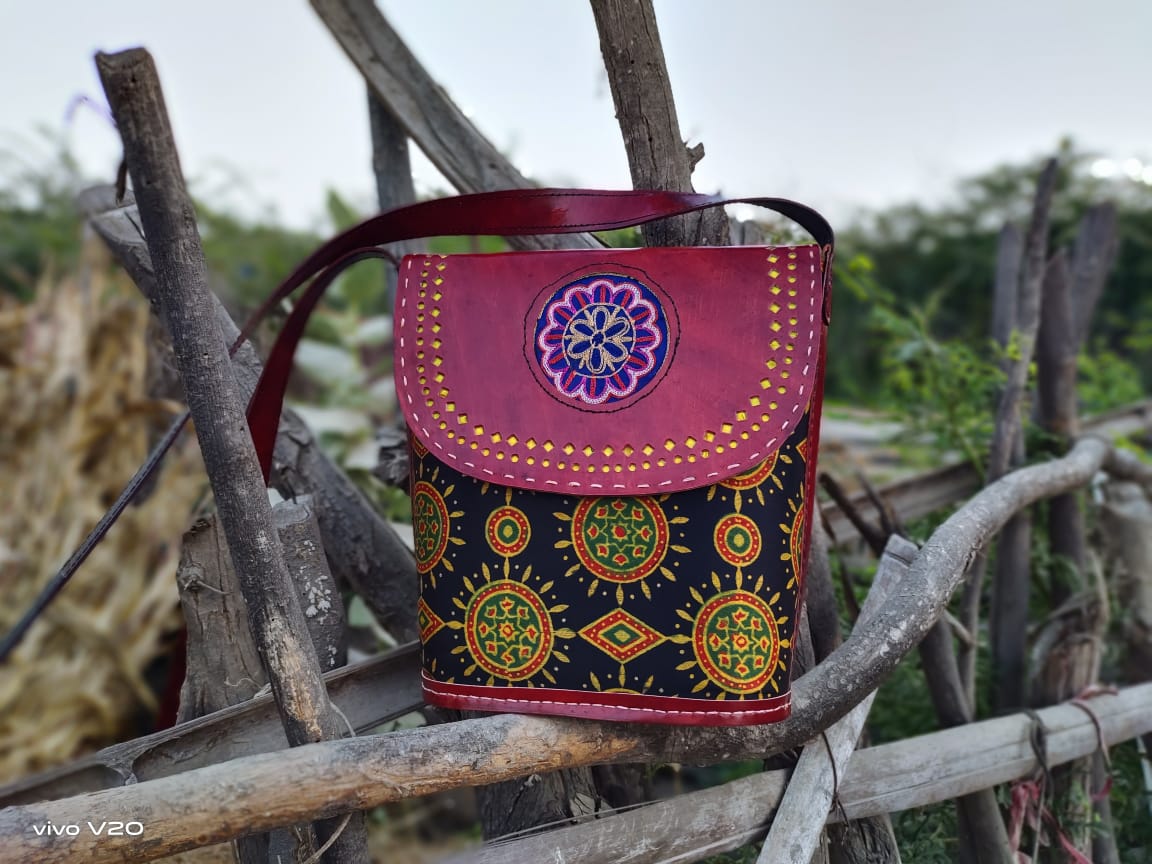
The mud is mostly from Bhuj, Gujarat which is golden brown in color which is perfect for the art, The dough is kneaded for a uniform texture.
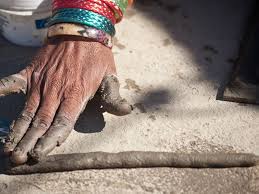
The Kutchhi artisan then takes tiny portions of the dough to give them a cylindrical shape of varying thickness based on design. She does so by rolling the dough on the floor or in between the palms.
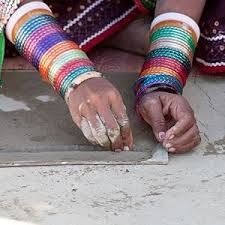
The wooden canvas frame is marked with outlines according to the desired design. The cylindrical shapes made from dough is used to outline the design which define the framework of the craft.
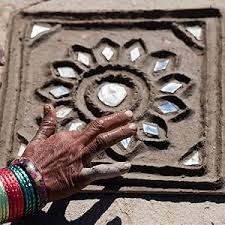
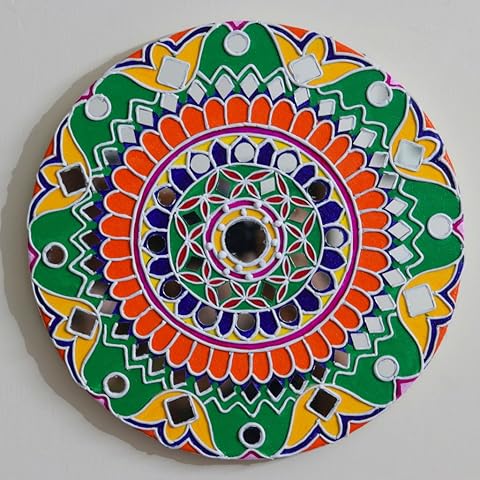
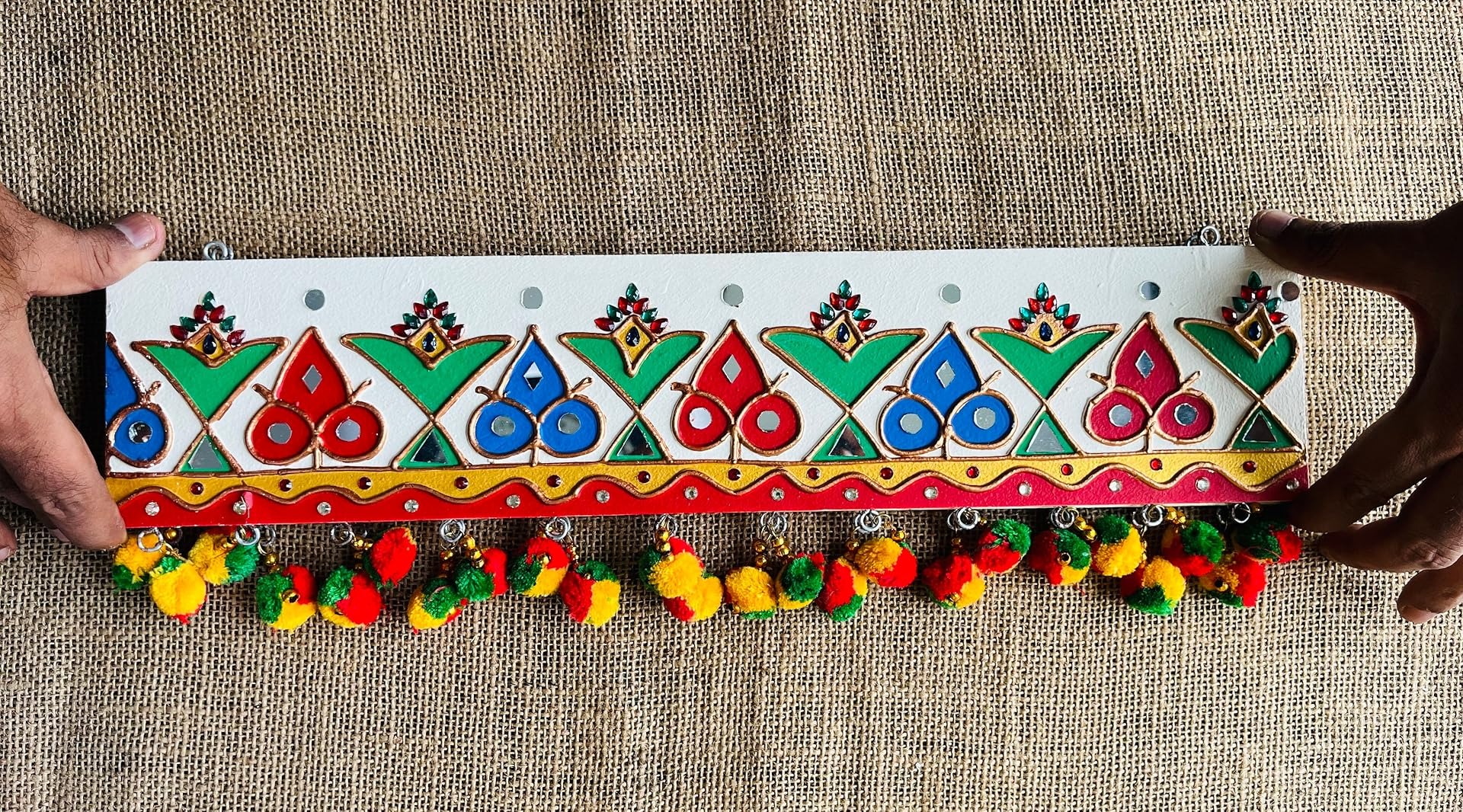
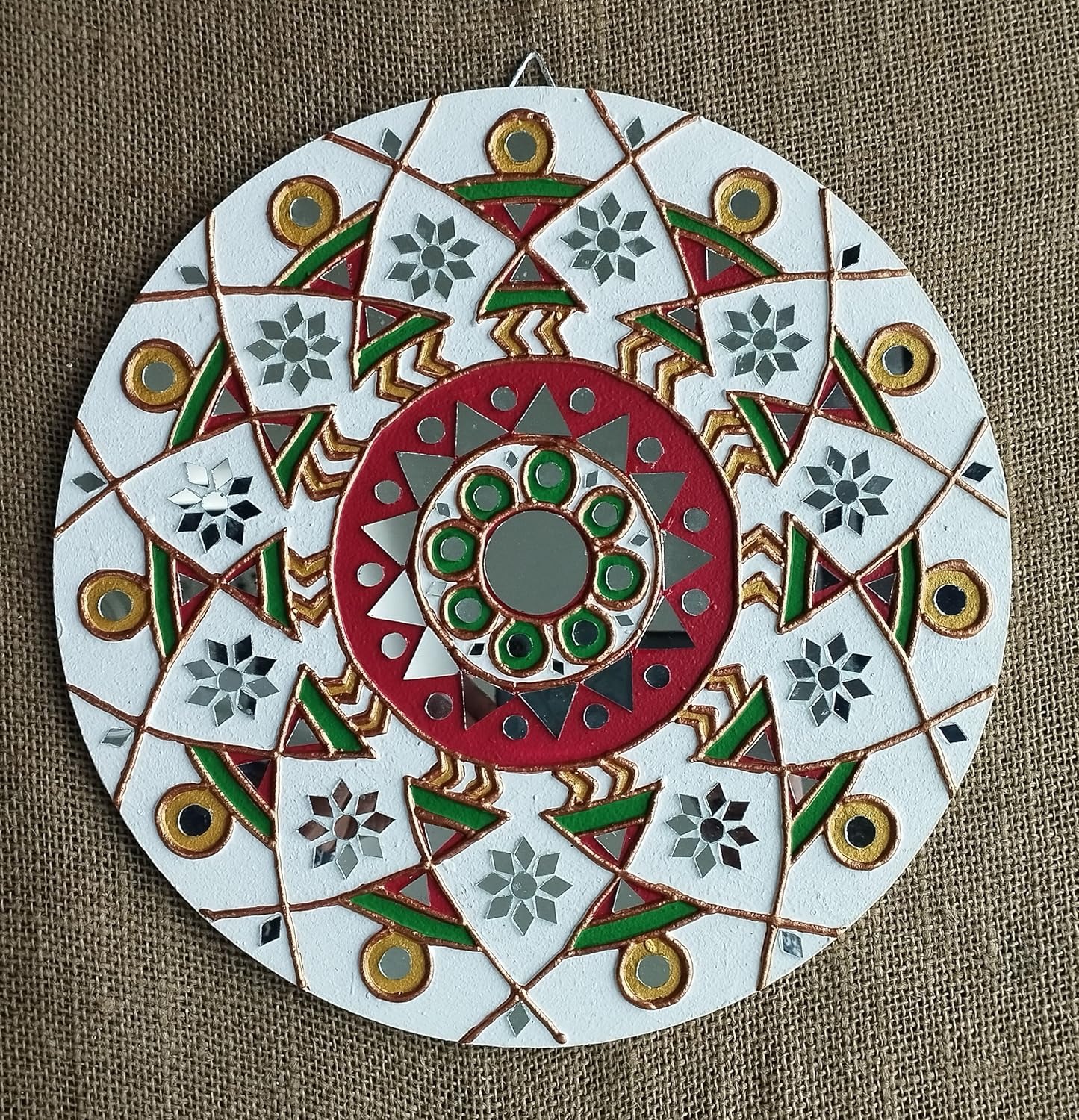
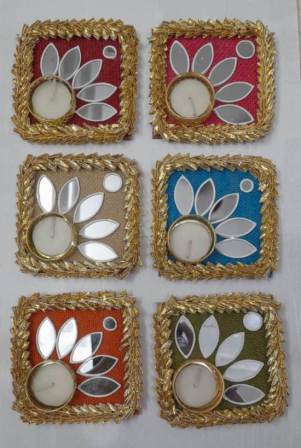
The next step is to embed the mirrors and sequins in the motifs and patterns drawn. The mirrors used for the decoration are called Mirror. They come in myriad shapes including round, diamond, and triangular.
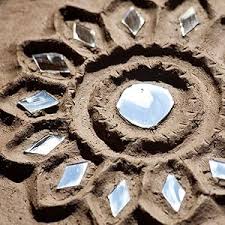
The next step is to dry the clay. The artwork is left to dry in the still air for about 2 to 3 days. During this period of drying, the clay hardens and becomes a strong in respective shape and design.
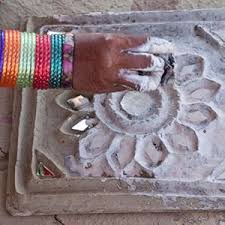
In the last step, the dried clay is coated with white clay from the salty marshland. It can be left white/mud color or bright colors can be painted, but many artisans keep it in the color of mud to keep it real. Special color also used to make work fabulous.
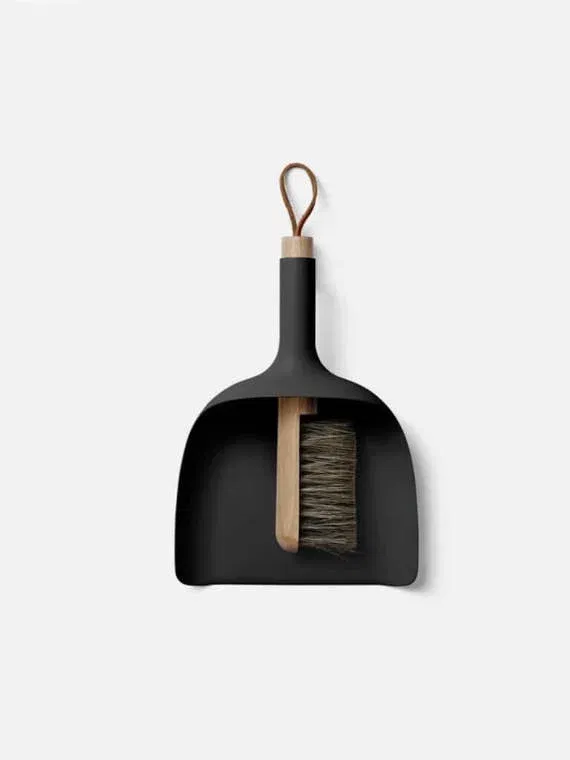
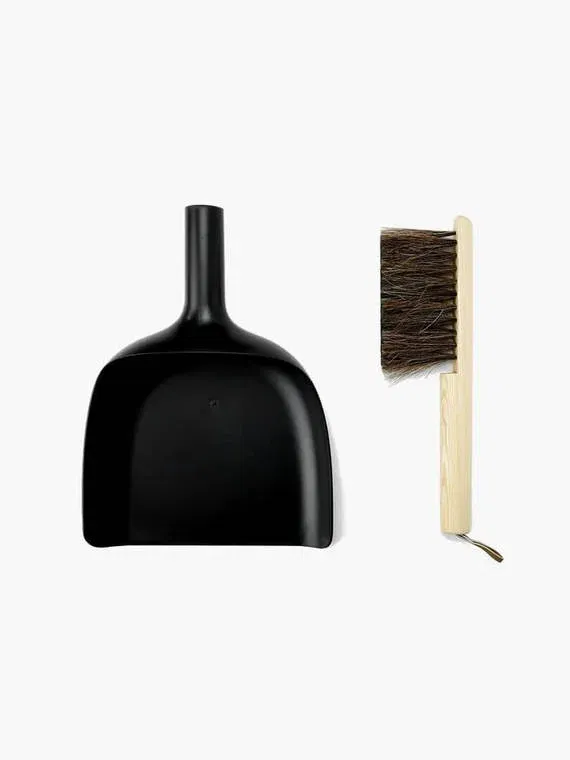
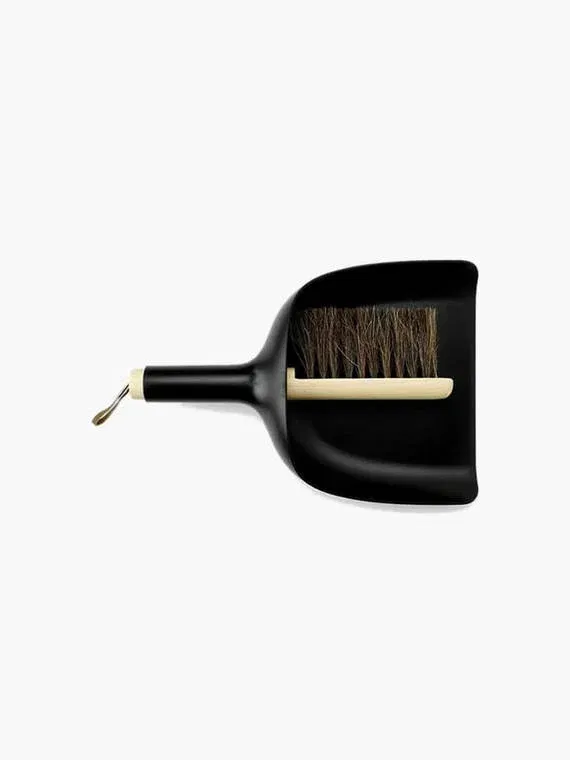
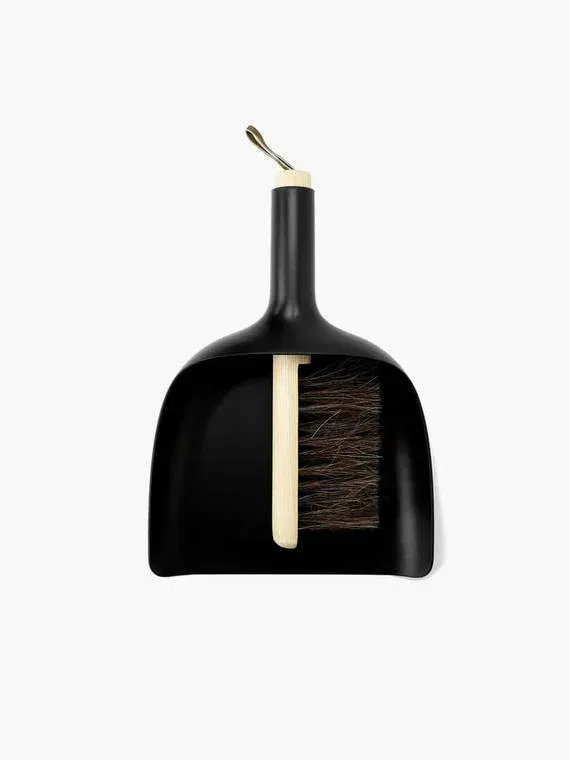
Easy clip-on handle – Hold the brush and dustpan together for storage; the dustpan edge is serrated to allow easy scraping off the hair without entanglement. High-quality bristles – no burr damage, no scratches, thick and durable, comfortable to remove dust and smaller particles.